GHANA AMERICAN PROJECT
Ending child labor trafficking in our lifetime.
The Ghana American Project – activities
GAProject focuses on seven major activities.
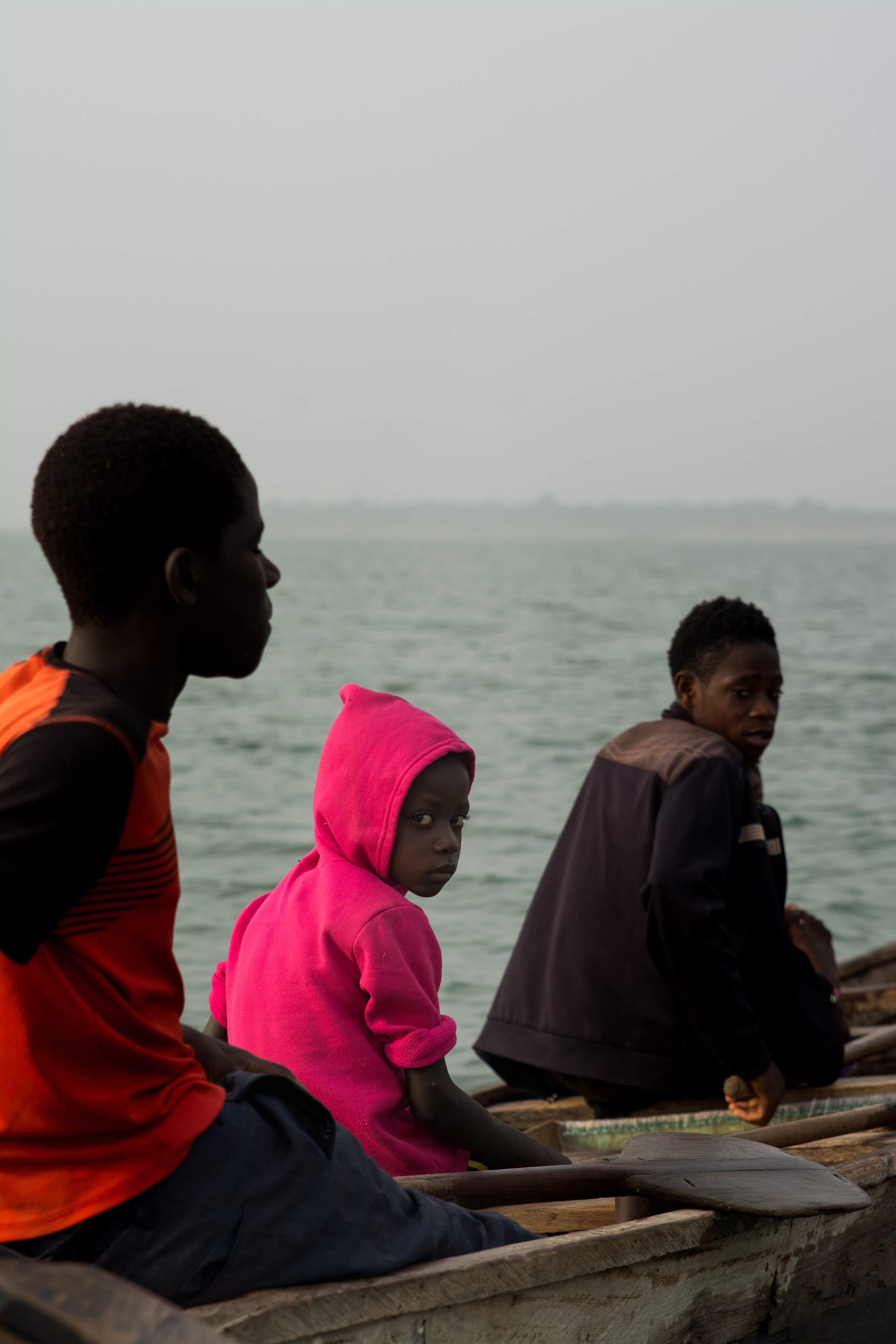
1. Identification and Rescue. We assist in the identification of trafficked children on Lake Volta, in Ghana. Once a trafficked child is identified, we participate in rescue operations.
2. Rehabilitation. After a rescue, we provide immediate care and protection at our partner the Village of Life. They house, clothe, feed, and provide needed medical care. The survivors work with counselors to develop a care plan based on individual needs. The Village of Life is able to care for approximately 120 children survivors.
3. Education. The Village of Life has established an academy (private K-8 school) for not only our children but approximately 500-600 local community students. Some of the survivors continue their education on to secondary and college levels when support is available.
4. Independence. Children learn sustainable agriculture as a possible future career on our small farms. Others opt to learn trades by beginning apprenticeship programs such as tailoring, catering, or mechanics. Some of our survivors have begun entrepreneurial avenues with support. Small businesses that they have started are: soap making and honey for sale in local markets. One young man started an arcade providing a source of income for himself and an entertainment option for the community previously unavailable.
5. Sustainability. All infrastructure investments are made to provide continual benefits to the project. Rice, cassava, yam, pineapple, mango and other crops at our farms not only feed shelter residents and staff, but also provide some income. The academy, by charging tuition to the local students, also provides revenue to sustain operations. Small businesses started by graduates of the shelter also repay loans with interest to fund future loans.
6. Community Outreach. Program partners engage communities that have histories of trafficking either on the supply or demand side. Learning programs empower the communities to understand the harm of trafficking and the rights of individuals. Part of the learning programs establish local savings and loan operations, creating access to capital that is used for businesses that do not involve forced labor. Working hand in hand with these communities to identify projects that they deem important generates buy in and gives each community more control of their own futures. The local engagement includes working with their schools to share child rights information.
7. Government Liaison. Partnering with local and national government to enforce, prosecute, and bring traffickers to justice brings the greatest long lasting impact in ending trafficking on Lake Volta in our lifetime.
Make a one-time donation
Make a monthly donation
Make a yearly donation
Ghana America needs your financial support to continue our fight against forced child labor and human trafficking in Ghana. Every dollar is audited and no employee of Ghana America is compensated.
Choose an amount
Or enter a custom amount
Your contribution is appreciated.
Your contribution is appreciated.
Your contribution is appreciated.
DonateDonate monthlyDonate yearlyIdentification and Rescue
Through working with local communities key personnel are trained to identify and report human trafficking and children in forced labor situations.
When suspected cases are reported staff members assist local authorities in preparing for rescue operations. Masters are convinced to surrender the children under their control or face prosecution.
Rehabilitation
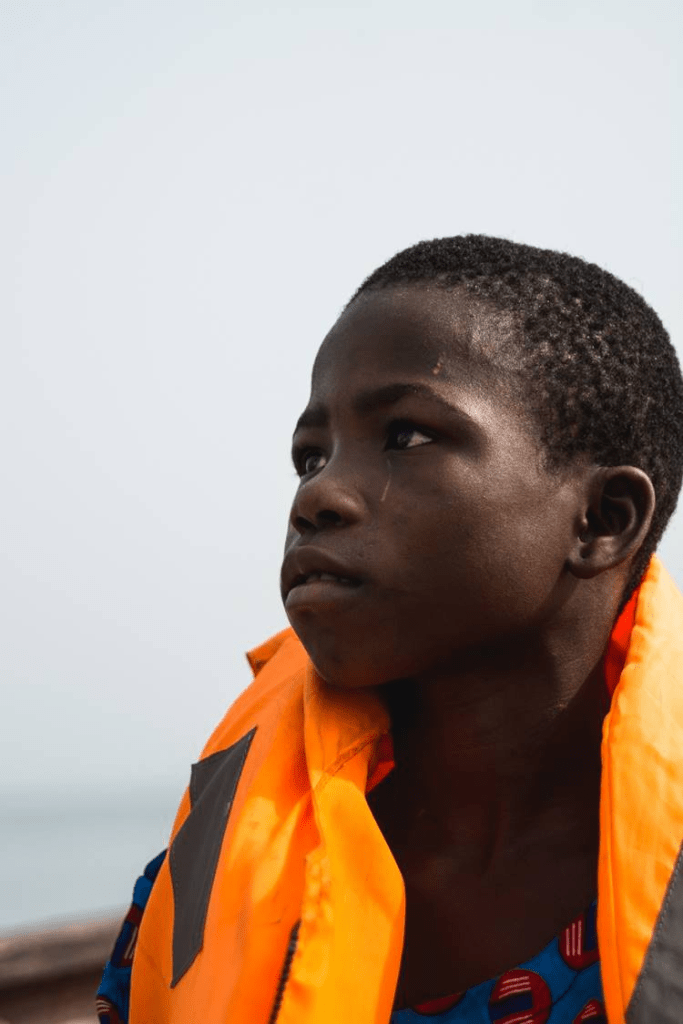
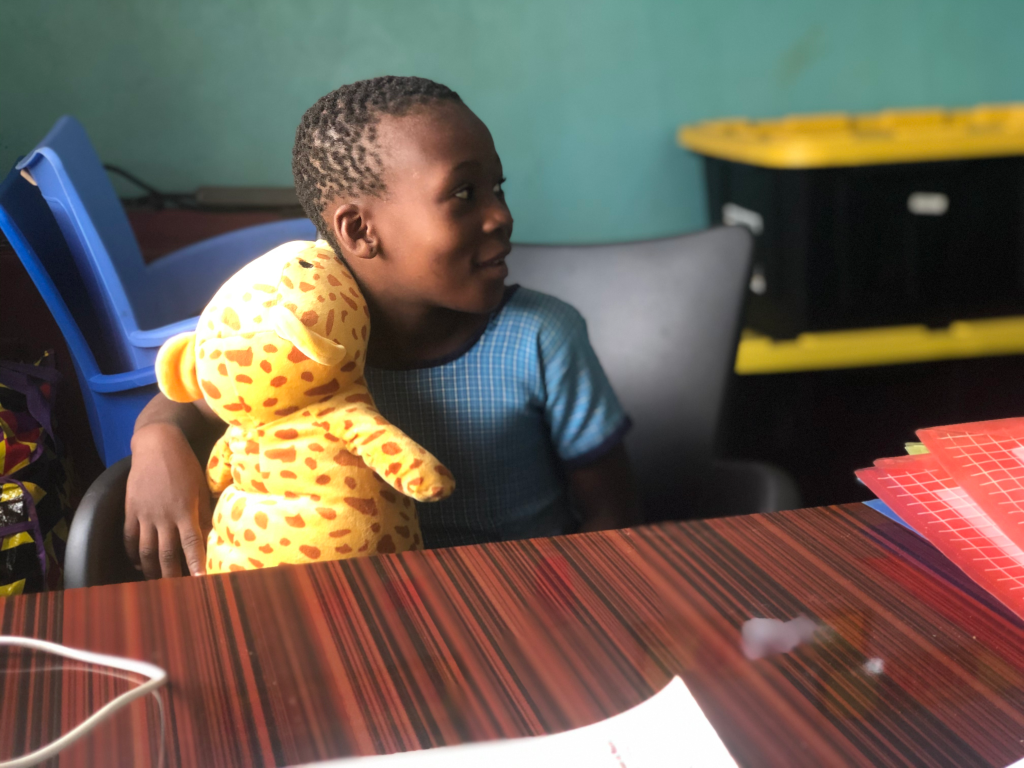
At the shelter, the rescued are provided food, clean water, medical care, and physical safety. An other benefit of the shelter is the opportunity to play and be a child, a luxury they did not have under the oppressive hand of forced labor. Trafficked people have suffered and the emotional toll is often significant. Counseling is individualized for each survivor, and a unique care plan is tailored to each case. A wholistic approach with not only counselors, but could include dietary support, medical support, teachers, and other staff surrounding each child with understanding and empathy. Counseling services can entail just a few sessions or can be on going for the duration of their stay at the shelter. Recently a psychologist from Texas A&M University came and elevated the counseling services provided. Future efforts to elevate counseling services are underway.
Education
The education system in Ghana has a different structure than the US. Most schools are K-9 (junior high school/JHS) or in Ghana terms, kindergarten through Form 3. After Form 3, students test to find placement in high school or trade school. Typically high school is a boarding school away from family. Some trade schools have boarding options too. Many Ghanaians do not continue education after JHS due to financial constraints. Most high schools and trade schools charge significant tuition or fees. As survivors at the Village of Life Academy finish ninth grade (Form 3) the Ghana American Project supports those willing to continue their education with financial aid.

Independence
The ultimate goal of the shelter is to create independent young adults. Providing a safe place to grow, learn and develop is the first step. Preparing the survivors to become independent contributors to their society is the next. As these young adults age out of the shelter and graduate from their education, the Ghana American Project helps identify career paths, internships, apprenticeships, and small business opportunities.
GAP works with each survivor as they near their time exiting the shelter to identify career paths. Some find tailoring a satisfying and often challenging line of work. In the last year a small soap making operation was established and the graduates are selling soap in the local market.
Another young man recently opened an arcade with donated Play Stations and makes his income providing an entertainment escape not previously available to most people in the region.
All recipients of small business aid are asked to repay the start up costs with some interest to fund further projects.

Sustainability
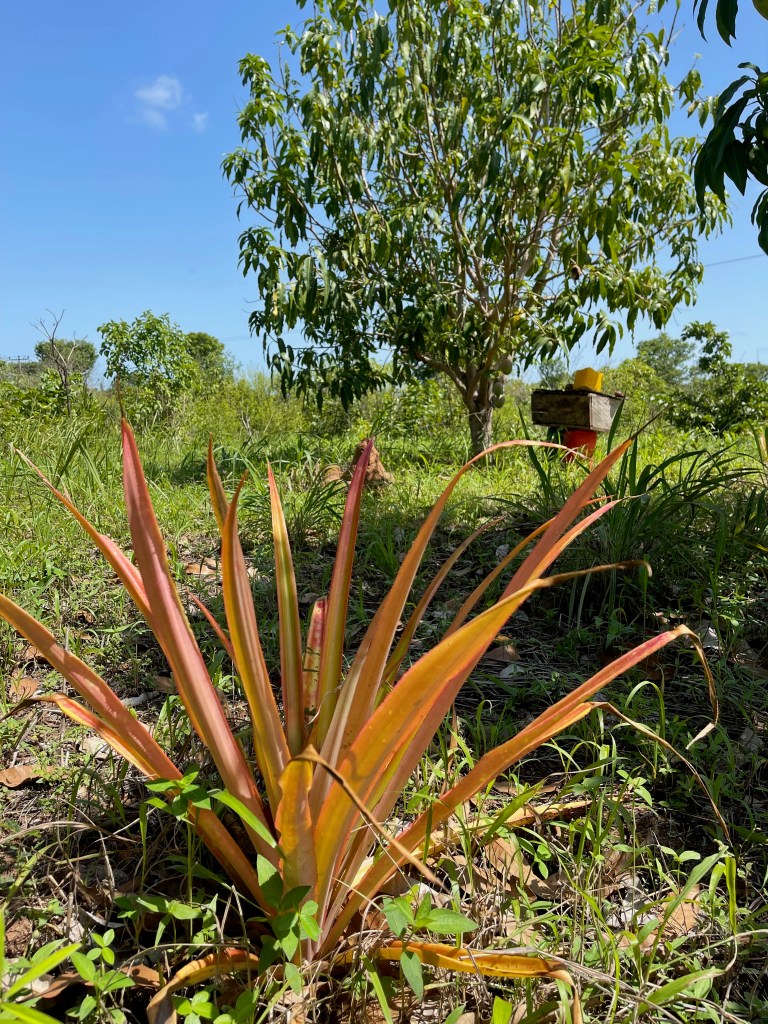
Ongoing infrastructure projects are all designed to be sustainable economically as well as ecologically. Programs are to be self funding in time, depending on scale and scope.
Our partners have acquired small farms that not only produce food products to feed shelter residents and staff, but generate additional income for salaries, utilities, and other operational expenses.
Other infrastructure projects may not generate income but reduce other expenses, such as improving irrigation, washing services, and a medical clinic.
Community Outreach
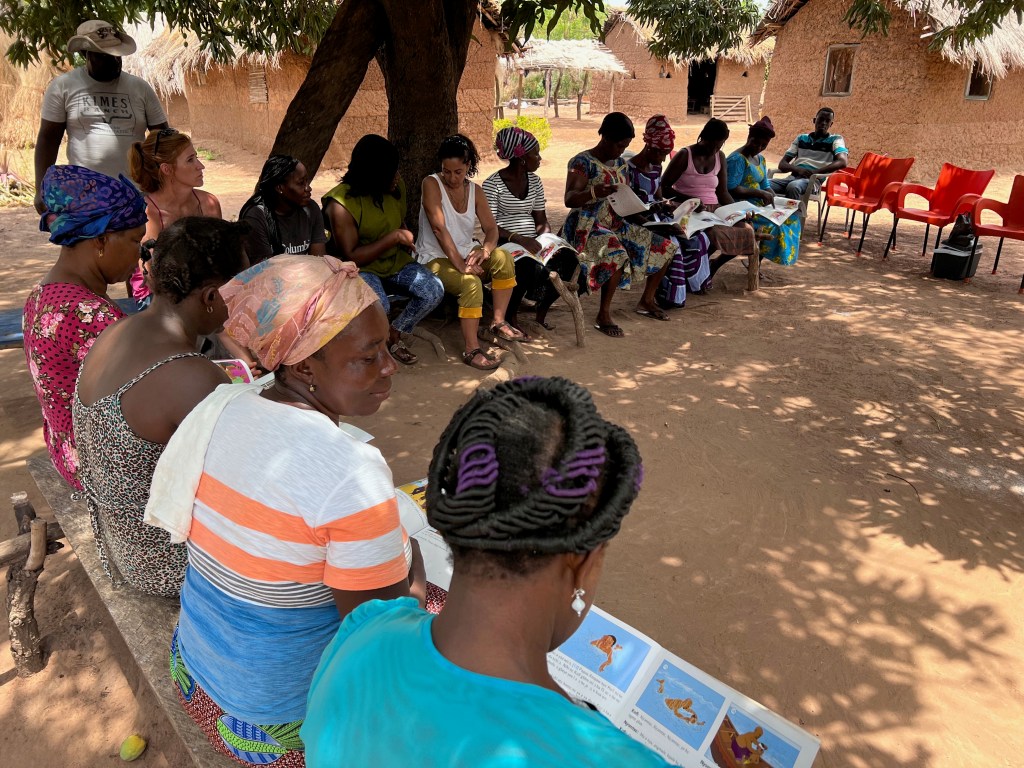
Combating human trafficking requires engaging the communities that surround Lake Volta. Empowering community members to act as advocates for freedom. Sharing the necessary tools to identify and report forced labor allow these citizens to shape the future of their country. Prior to community outreach programs local citizens did not have the knowledge of who and how to report trafficking in their communities. After a canvasing of a region, specific target villages are identified as having high prevalence of trafficking. Engagement begins by working with community leaders training them on child rights, anti-trafficking laws and penalties, and advocacy skills. Community leaders then return to their villages and form learning groups. The learning groups then act as eyes and ears looking for forced labor or trafficked persons reporting occurrences through the legal system. Further child rights clubs are formed in local schools with students. These students further advocate for individual freedom for adults and children alike.
Government Liaison
GAP and partners continuously work with local and national law enforcement to ensure anti-trafficking laws are enforced. Further efforts are made with international media such as CNN https://www.youtube.com/watch?v=lBkxazUHw_4 to keep the issue front and center. Government departments such as the Ministry of Gender, Children, and Social Protection (MoGCSP), the Commission of Human Rights and Administrative Justice (CHRAJ), the department of social welfare, and the International Organization for Migration (IOM) are all integral in ending human trafficking on Lake Volta. GAP and partners act as a liaison between the departments as well as working with the Anti-Human Trafficking Unit (AHTU) police to perform rescues. Further follow up and communication ensure prosecution and justice are carried out.
A current project we are facilitating with the national government is a boat registry. The registry will include required training or evidence of awareness of child rights. Ultimately, when all boats on Lake Volta have been registered, the AHTU will be able to easily identify enforceable violations of child labor.
Come with us.
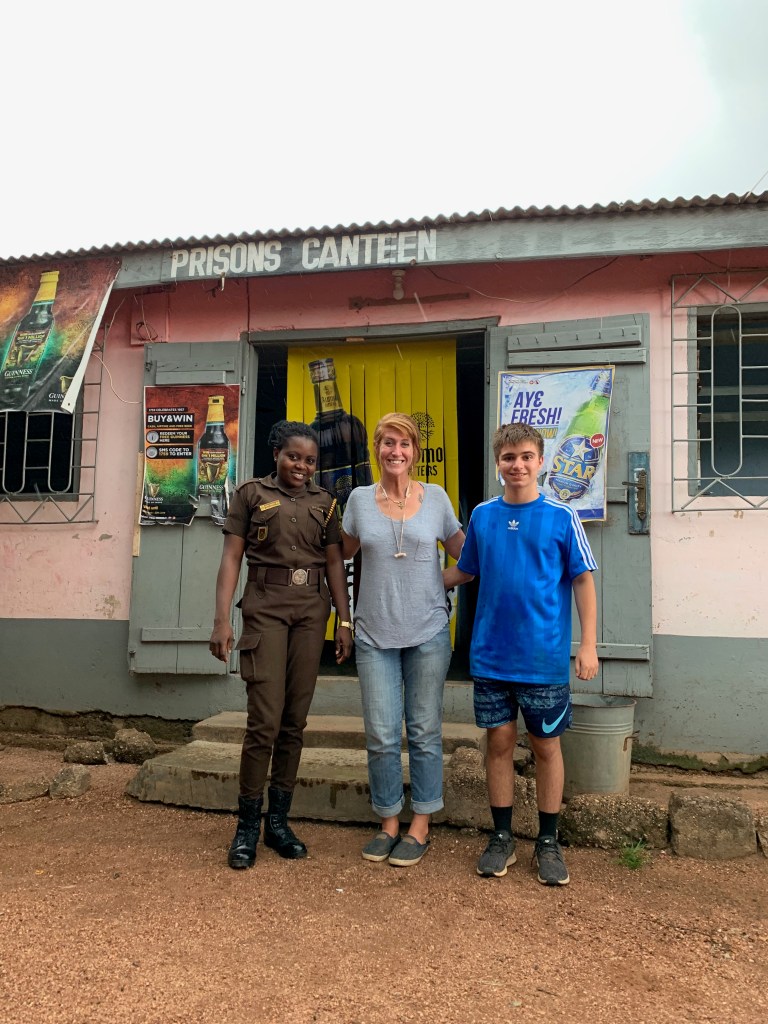
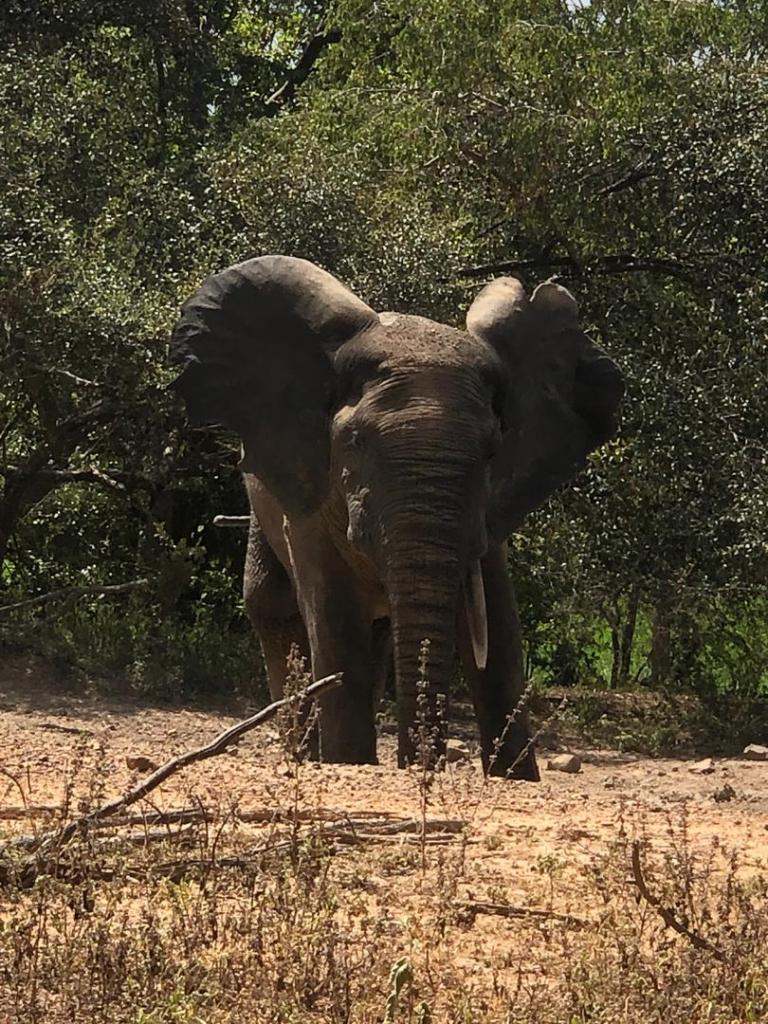
Each year Ghana America visits at least one of our locations in Ghana. Most often we visit The Village of Life in Kete-Krachi, Oti Region, Ghana. Service trips have included construction, professional counseling services and medical services. Upcoming trips we are working on are: a construction project to add a septic system for the school, and utilizing the grey water for sport field irrigation, a dental services trip, and entrepreneur assistance trip. Volunteers spend their time working with rescued children and the local community learning from each other and developing life long bonds. At the end of each trip the group goes to a tourism hotspot such as Mole National Park to see elephants up close, or to Cape Coast to tour the castles and learn more about the history of Ghana and how it was it involved in the transatlantic slave trade hundreds of years ago.
History of Lake Volta
Constructed in 1961-1965 the Akosombo Dam created, at the time, the world’s largest manmade lake, Lake Volta. As the lake began to fill, a new industry in Ghana began to take shape, lake fishing. Previously, Ghanaians had fished the rivers, streams and ocean for sustenance and income. Lake fishing is conducted differently and requires a different form of labor. Setting nets or traps is a tedious time-consuming effort fraught with unique dangers. Nets can become tangled under the surface of the water and fishermen need to dive below and reset them. It did not take long for fishermen to realize that additional labor on their boats would improve their haul. It did not take long for them to realize that utilizing child labor was less expensive and easier to control than an adult. Thus began the prevalence of child labor trafficking on the new lake. Ghana’s history with human trafficking is complex. The historical setting of the trans-Atlantic slave trade, inter-tribal slave trade, and history of utilizing children in labor set a background of normalizing dangerous child labor activities. An estimated 20,000 children are either in forced labor situations or have been sold into a state of slavery on or near Lake Volta. The remoteness of fishing villages along the lake makes communicating Ghana’s relatively new anti-trafficking and anti-child labor laws difficult. Combining the historical context of forced labor and lack of human rights with low education levels, poverty, and the remoteness of fishing villages set the stage for today’s challenges of forced child labor and slavery on Lake Volta.
Further complicating the navigating child rights issues is the unique dual political structures. Ghana’s official government is similar to that of the United Kingdom, with MPs, PMs, and other similar governmental entities. Coupled with those political positions, are traditional tribal politics. To move policy forward the national government, NGOs, and religious entities must work with the traditional tribal leaders/chiefs. At times the motivating forces of the government and tribal chiefs are not aligned creating resistance to change.The future of Ghana may be bright if the incentives of tribal leaders, the national and regional governments, and human rights advocates can be brought in parallel. Progress is underway with continued media coverage and political pressure brought by international groups such as the United Nations (UN), International Organization of Migration (IOM), and the International Justice Mission (IJM).


 GAProject